

-
-
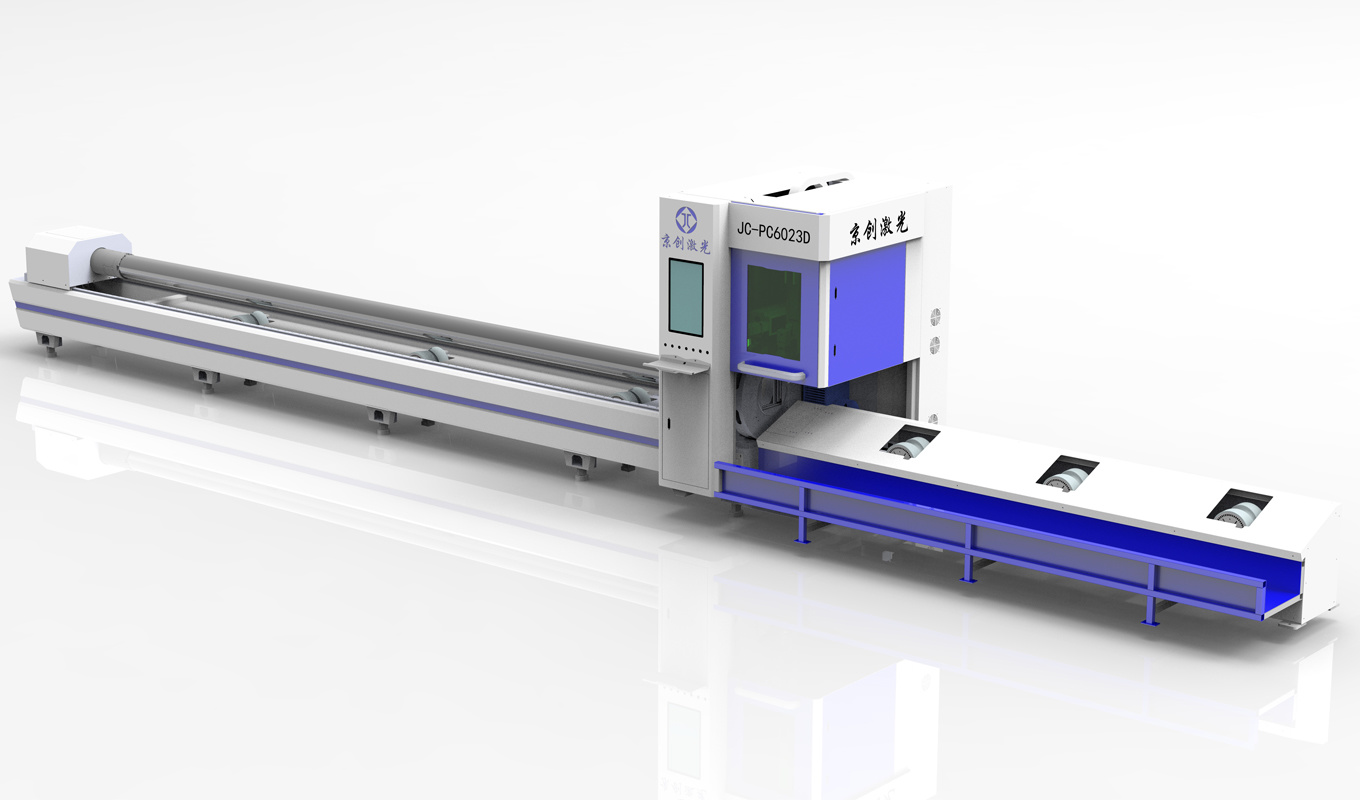
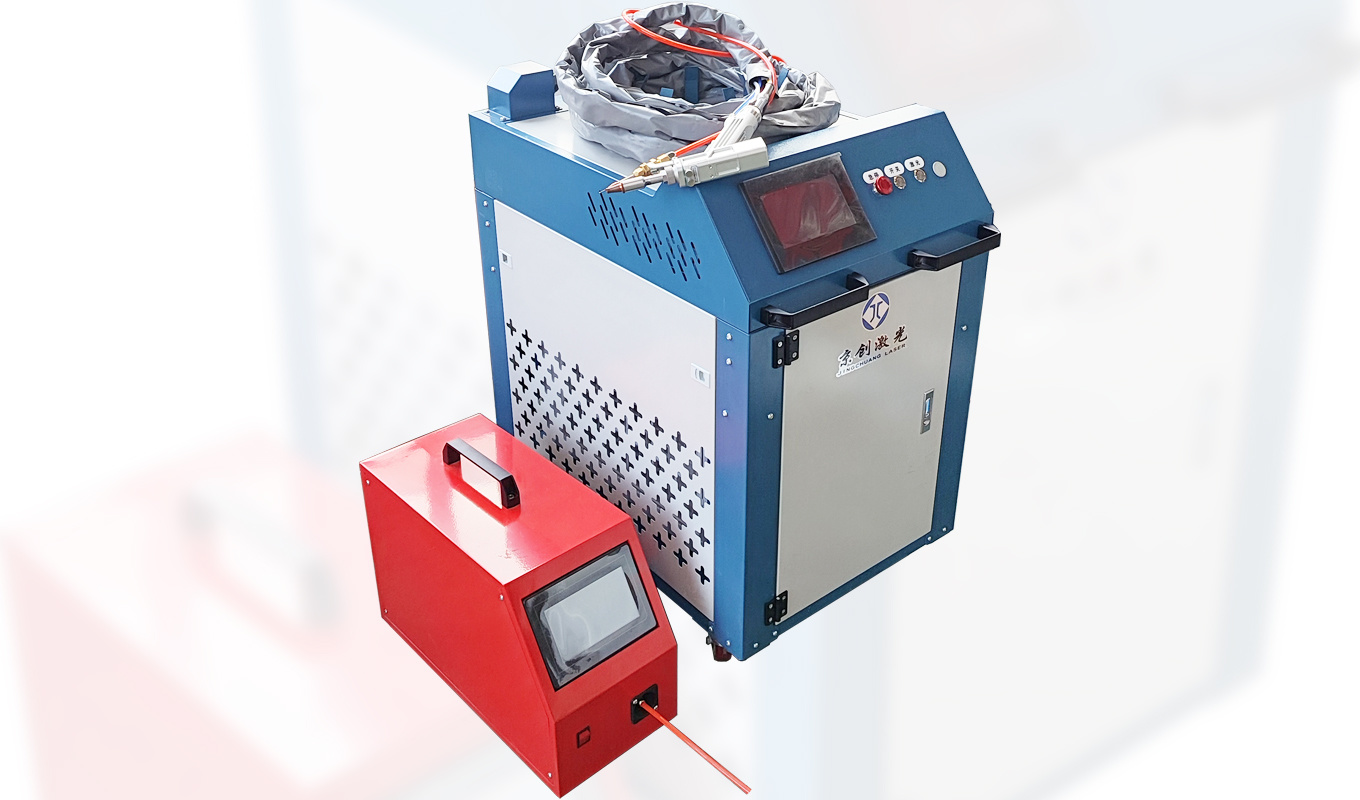
Tube Laser Cutting Machine
Cutting and Slotting any shape Iron Pipe
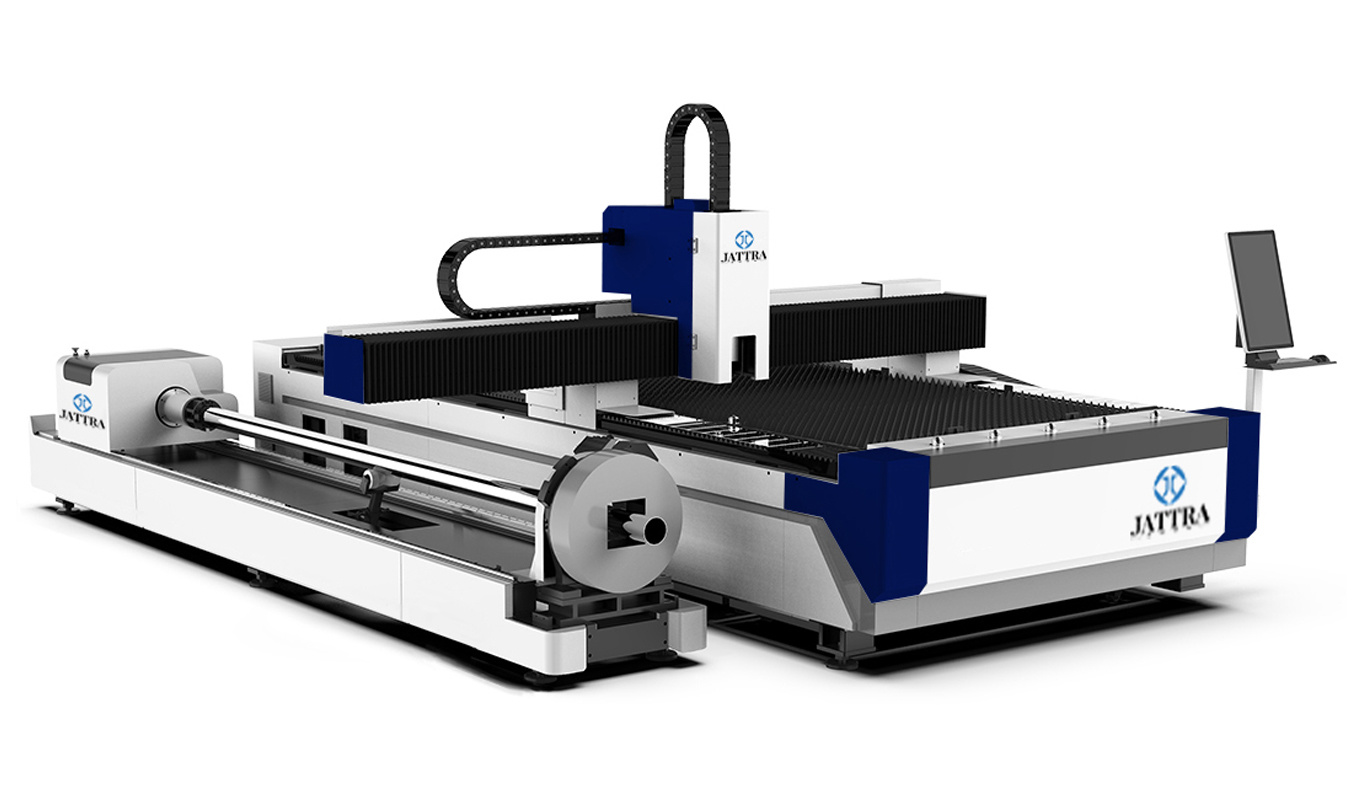
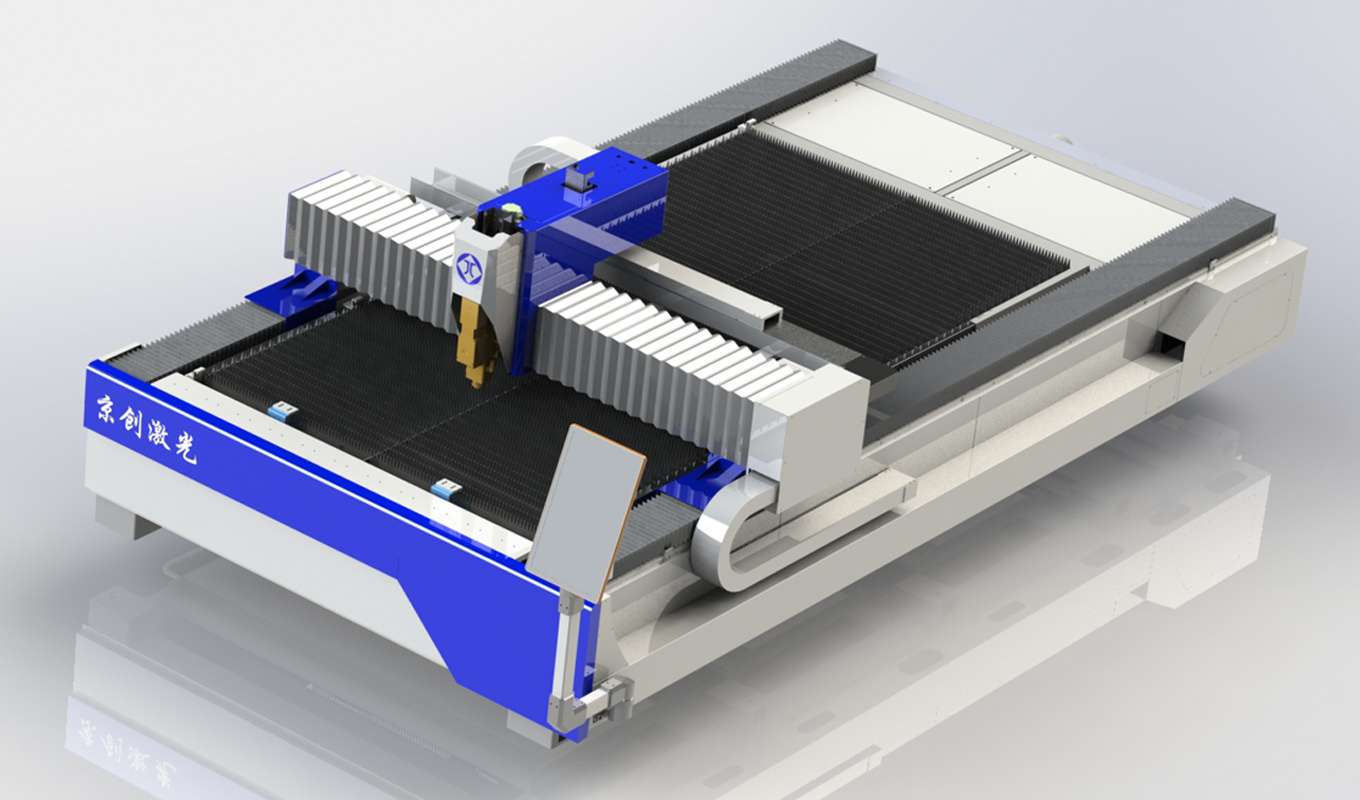
Tube and Sheet 2-in-1 laser cutter
One machine for two uses, European quality
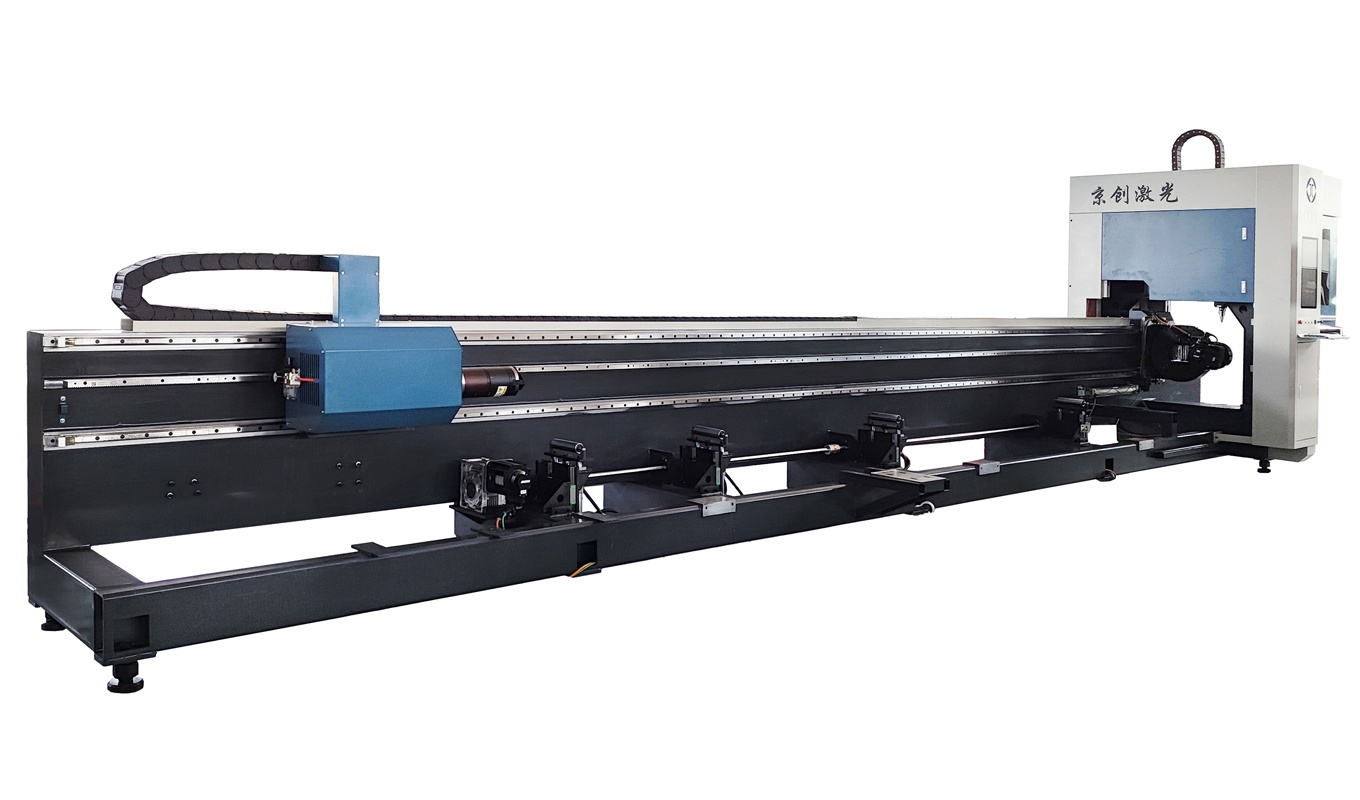
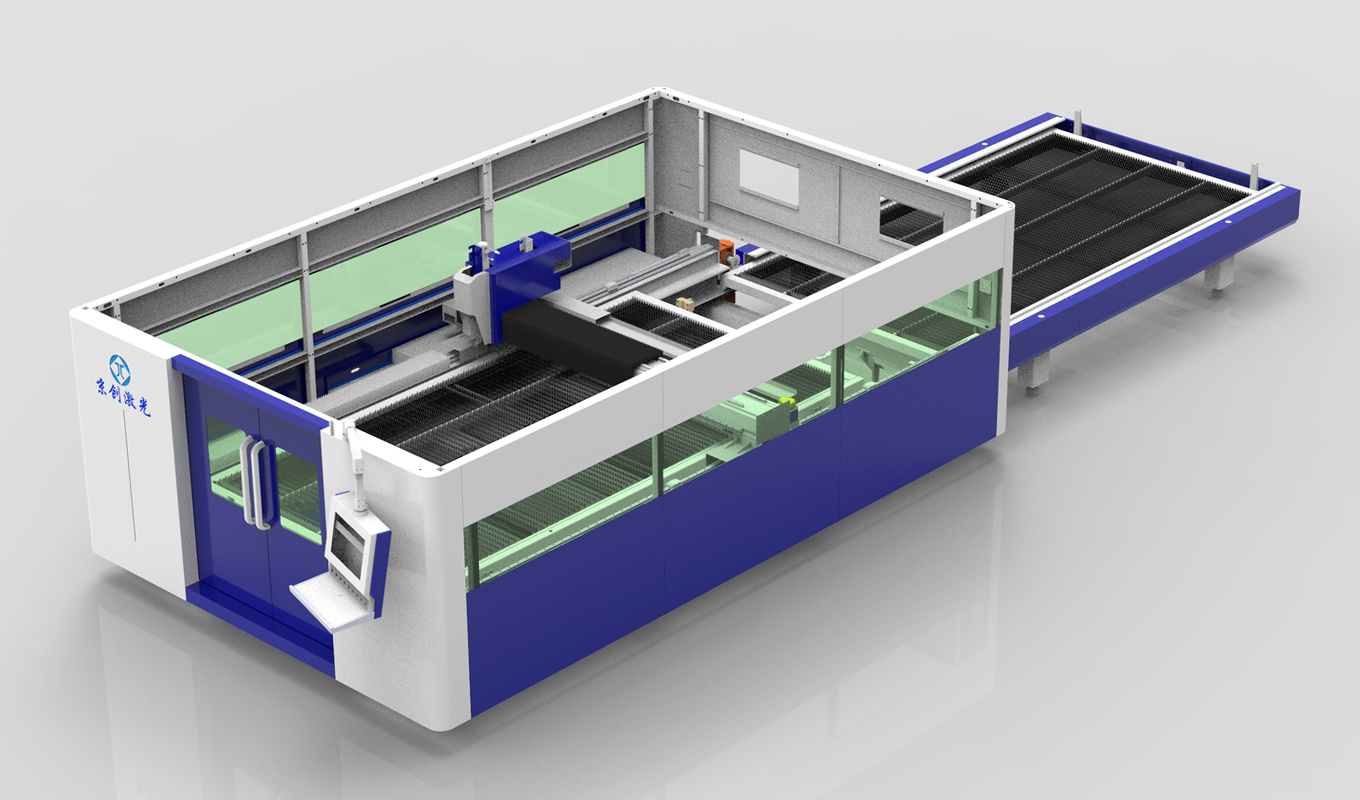
Side hanging Tube laser cutting machine
Side hanging Type tube laser cutter
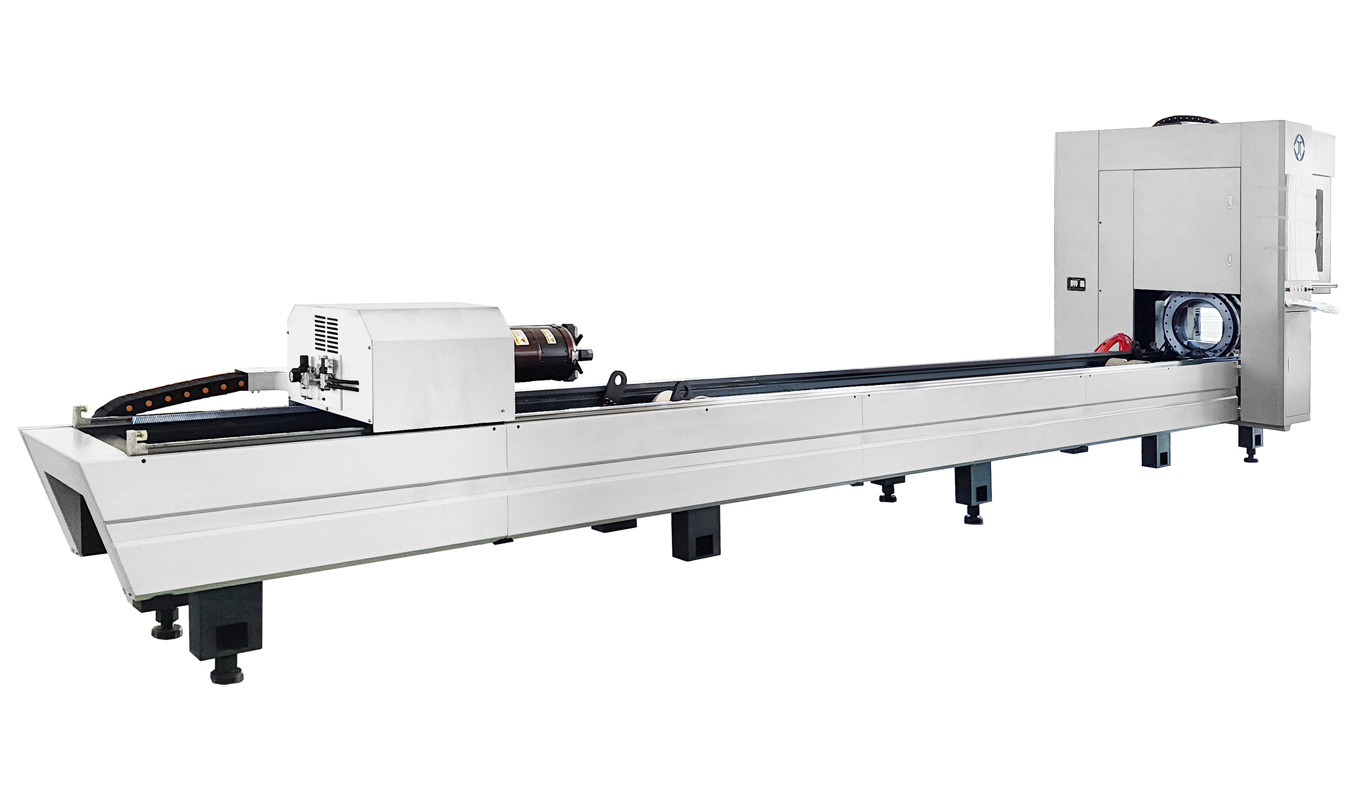
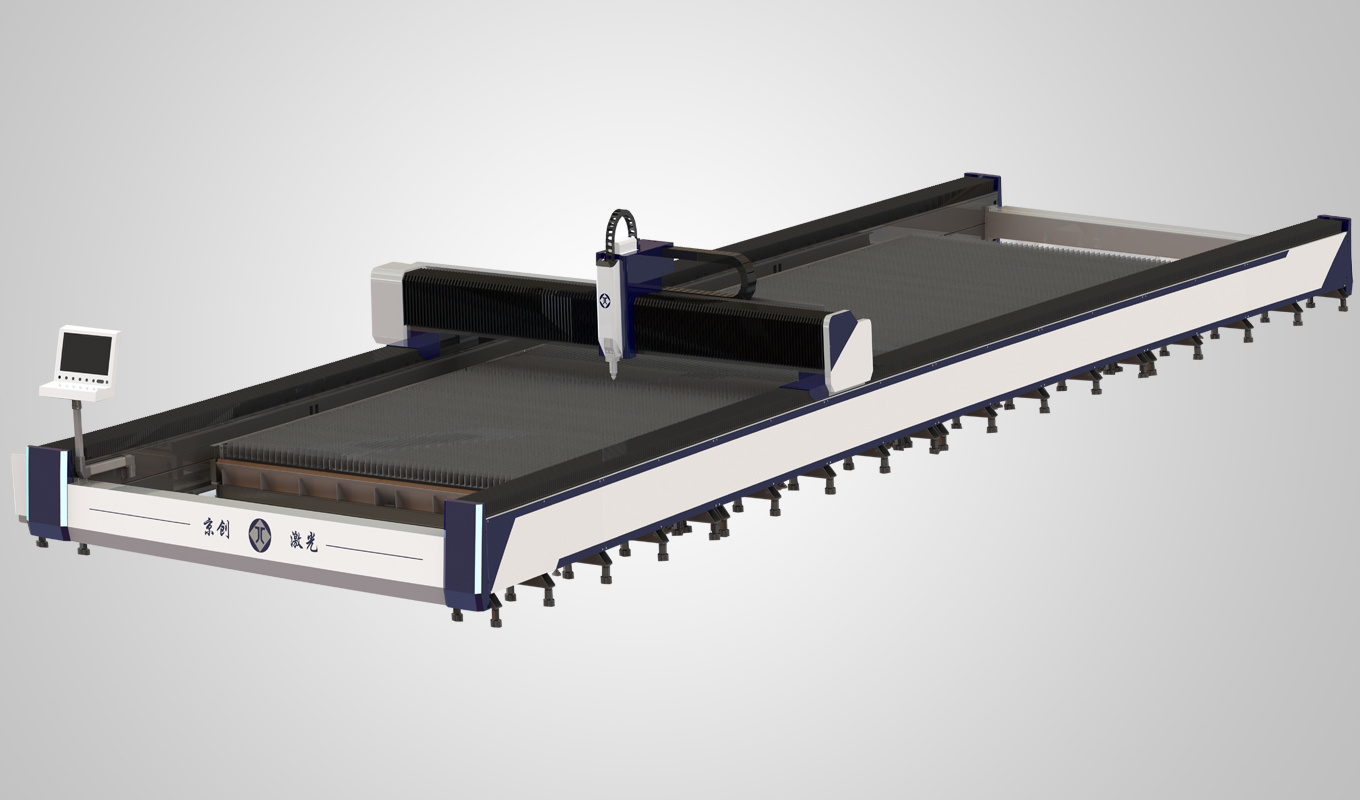
Horizontal Tube laser cutting machine
Horizontal type Tube laser cutting machine.
-
-
-


NEWS CENTER
JINGCHUANG LASER
08
2025
-
01
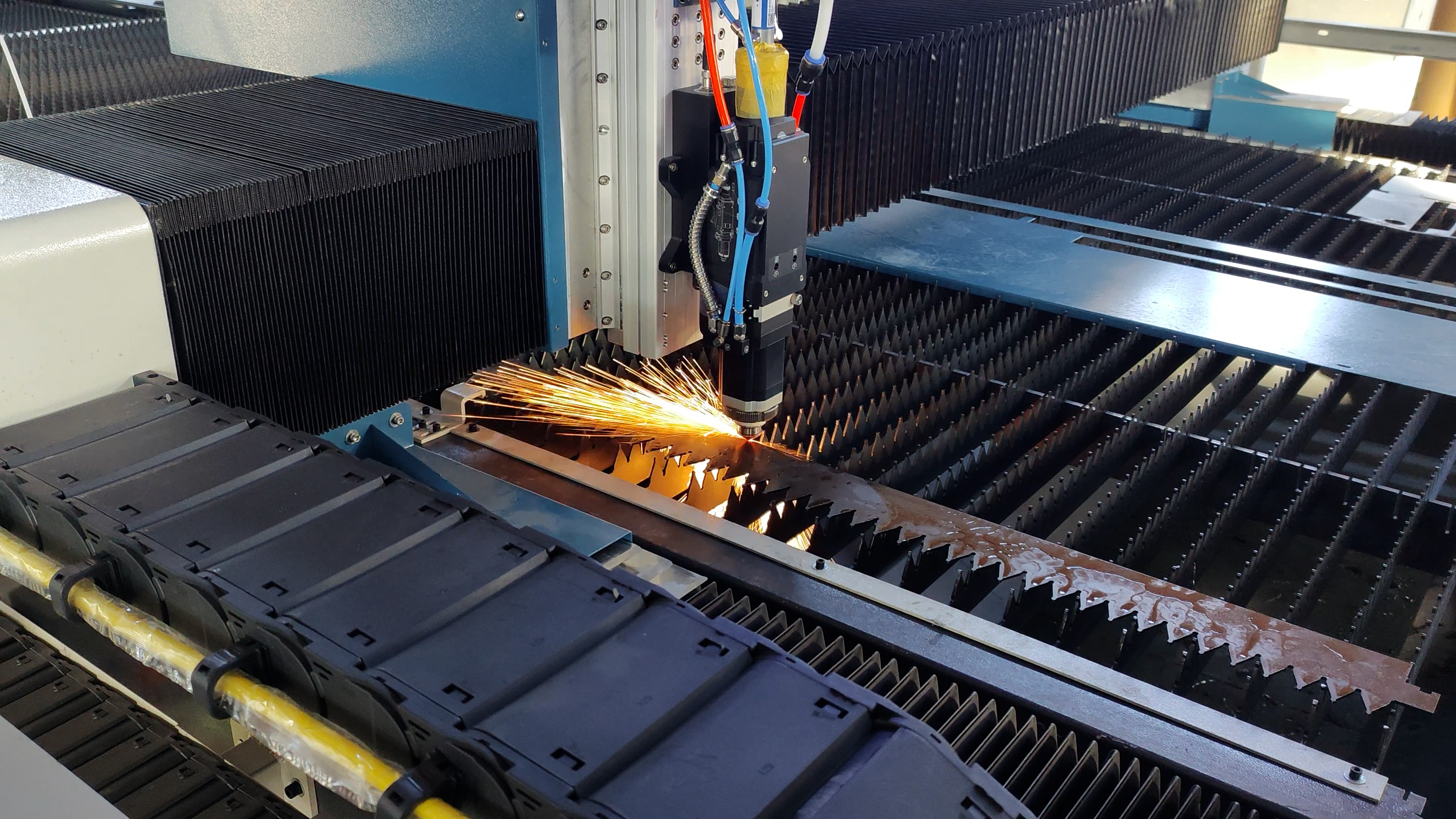
How Thick Can Fiber Lasers Cut with different laser power?
The most powerful fiber laser cutting machines can achieve a maximum thickness of up to 50 mm for certain metals.
Fiber laser cutting machines are capable of cutting a variety of materials to impressive thicknesses. The cutting thickness depends on the power of the laser and the material being cut. For example, high-power fiber laser cutters can handle stainless steel and carbon steel with ease, making them ideal for metal fabrication and other industrial applications. The cutting process is optimized by adjusting factors such as laser cutting speed and laser beam quality to achieve the desired thickness.
How Thick Can a 1500W Fiber Laser Cut?
The maximum cutting thickness of different materials with a 1500W fiber laser cutting machine is as follows: the maximum thickness of carbon steel is 15 mm; the maximum thickness of stainless steel is 6 mm; the maximum thickness of aluminum is 4 mm; the maximum thickness of copper is 3 mm. More information for all materials and various thicknesses will be provided below.
| Fiber Laser Power (W) | Material | Maximum Cutting Thickness (mm) |
|---|---|---|
| 1500 | Carbon Steel | 15 |
| 1500 | Stainless Steel | 6 |
| 1500 | Aluminum | 4 |
| 1500 | Copper | 3 |
| 1500 | Brass | 3 |
| 1500 | Plastic | 4 |
| 1500 | Composites | 4 |
| 1500 | Ceramics | 4 |
| 1500 | Wood | 4 |
How Thick Can a 2000W Fiber Laser Cut?
The maximum cutting thickness of different materials with a 2000W fiber laser cutting machine is as follows: the maximum thickness of carbon steel is 20 mm; the maximum thickness of stainless steel is 8 mm; the maximum thickness of aluminum is 6 mm; the maximum thickness of copper is 4 mm. More information for all materials and various thicknesses will be provided below.
| Fiber Laser Power (W) | Material | Maximum Cutting Thickness (mm) |
|---|---|---|
| 2000 | Carbon Steel | 20 |
| 2000 | Stainless Steel | 8 |
| 2000 | Aluminum | 6 |
| 2000 | Copper | 4 |
| 2000 | Brass | 4 |
| 2000 | Plastic | 5 |
| 2000 | Composites | 5 |
| 2000 | Ceramics | 5 |
| 2000 | Wood | 5 |
How Thick Can a 3000W Fiber Laser Cut?
The maximum cutting thickness of different materials with a 3000W fiber laser cutting machine is as follows: the maximum thickness of carbon steel is 25 mm; the maximum thickness of stainless steel is 10 mm; the maximum thickness of aluminum is 8 mm; the maximum thickness of copper is 5 mm. More information for all materials and various thicknesses will be provided below.
| Fiber Laser Power (W) | Material | Maximum Cutting Thickness (mm) |
|---|---|---|
| 3000 | Carbon Steel | 25 |
| 3000 | Stainless Steel | 10 |
| 3000 | Aluminum | 8 |
| 3000 | Copper | 5 |
| 3000 | Brass | 5 |
| 3000 | Plastic | 6 |
| 3000 | Composites | 6 |
| 3000 | Ceramics | 6 |
| 3000 | Wood | 6 |
How Thick Can a 4000W Fiber Laser Cut?
The maximum cutting thickness of different materials with a 4000W fiber laser cutting machine is as follows: the maximum thickness of carbon steel is 30 mm; the maximum thickness of stainless steel is 12 mm; the maximum thickness of aluminum is 10 mm; the maximum thickness of copper is 6 mm. More information for all materials and various thicknesses will be provided below.
| Fiber Laser Power (W) | Material | Maximum Cutting Thickness (mm) |
|---|---|---|
| 4000 | Carbon Steel | 30 |
| 4000 | Stainless Steel | 12 |
| 4000 | Aluminum | 10 |
| 4000 | Copper | 6 |
| 4000 | Brass | 6 |
| 4000 | Plastic | 7 |
| 4000 | Composites | 7 |
| 4000 | Ceramics | 7 |
| 4000 | Wood | 7 |
How Thick Can a 5000W Fiber Laser Cut?
The maximum cutting thickness of different materials with a 5000W fiber laser cutting machine is as follows: the maximum thickness of carbon steel is 35 mm; the maximum thickness of stainless steel is 14 mm; the maximum thickness of aluminum is 12 mm; the maximum thickness of copper is 8 mm. More information for all materials and various thicknesses will be provided below.
| Fiber Laser Power (W) | Material | Maximum Cutting Thickness (mm) |
|---|---|---|
| 5000 | Carbon Steel | 35 |
| 5000 | Stainless Steel | 14 |
| 5000 | Aluminum | 12 |
| 5000 | Copper | 8 |
| 5000 | Brass | 8 |
| 5000 | Plastic | 8 |
| 5000 | Composites | 8 |
| 5000 | Ceramics | 8 |
| 5000 | Wood | 8 |
How Thick Can a 6000W Fiber Laser Cut?
The maximum cutting thickness of different materials using a 6000W fiber laser cutting machine: the maximum thickness of carbon steel is 25mm; the maximum thickness of stainless steel is 20mm; the maximum thickness of aluminum plate is 15mm; the maximum thickness of copper plate is 8mm. More information for all materials and various thicknesses is provided below.
| Fiber Laser Power (W) | Material | Maximum Cutting Thickness (mm) |
|---|---|---|
| 6000 | Aluminum | 15 |
| 6000 | Copper | 8 |
| 6000 | Stainless Steel | 20 |
| 6000 | Carbon Steel | 25 |
| 6000 | Brass | 8 |
| 6000 | Plastic | 20 |
| 6000 | Composites | 15 |
| 6000 | Ceramics | 10 |
| 6000 | Wood | 30 |
How Thick Can a 12000W Fiber Laser Cut?
The maximum cutting thickness of different materials using a 12000W fiber laser cutting machine: the maximum thickness of carbon steel is 40mm; the maximum thickness of stainless steel is 30mm; the maximum thickness of aluminum plate is 30mm; the maximum thickness of copper plate is 15mm.
More information on all materials and various thicknesses will be provided below.
| Fiber Laser Power (W) | Material | Maximum Cutting Thickness (mm) |
|---|---|---|
| 12000 | Aluminum | 30 |
| 12000 | Copper | 15 |
| 12000 | Stainless Steel | 30 |
| 12000 | Carbon Steel | 40 |
| 12000 | Brass | 15 |
| 12000 | Plastic | 40 |
| 12000 | Composites | 30 |
| 12000 | Ceramics | 20 |
| 12000 | Wood | 50 |
How Thick Can a 15000W Fiber Laser Cut?
The maximum cutting thickness of different materials using a 15000W fiber laser cutting machine: the maximum thickness of carbon steel is 60mm; the maximum thickness of stainless steel is 50mm; the maximum thickness of aluminum plate is 40mm; the maximum thickness of copper plate is 20mm.
More information for all materials and various thicknesses will be provided below.
| Fiber Laser Power (W) | Material | Maximum Cutting Thickness (mm) |
|---|---|---|
| 15000 | Aluminum | 40 |
| 15000 | Copper | 20 |
| 15000 | Stainless Steel | 50 |
| 15000 | Carbon Steel | 60 |
| 15000 | Brass | 20 |
| 15000 | Plastic | 50 |
| 15000 | Composites | 40 |
| 15000 | Ceramics | 30 |
| 15000 | Wood | 70 |
How Thick Can a 20000W Fiber Laser Cut?
The maximum cutting thickness of different materials using a 20000W fiber laser cutting machine: the maximum thickness of carbon steel is 70mm; the maximum thickness of stainless steel is 60mm; the maximum thickness of aluminum plate is 50mm; the maximum thickness of copper plate is 25mm.
More information for all materials and various thicknesses is provided below.
| Fiber Laser Power (W) | Material | Maximum Cutting Thickness (mm) |
|---|---|---|
| 20000 | Aluminum | 50 |
| 20000 | Copper | 25 |
| 20000 | Stainless Steel | 60 |
| 20000 | Carbon Steel | 70 |
| 20000 | Brass | 25 |
| 20000 | Plastic | 60 |
| 20000 | Composites | 50 |
| 20000 | Ceramics | 35 |
| 20000 | Wood | 80 |
How Thick Can a 30000W Fiber Laser Cut?
The maximum cutting thickness of different materials using a 30000W fiber laser cutting machine: the maximum thickness of carbon steel is 80mm; the maximum thickness of stainless steel is 70mm; the maximum thickness of aluminum plate is 60mm; the maximum thickness of copper plate is 30mm.
More information for all materials and various thicknesses is provided below.
| Fiber Laser Power (W) | Material | Maximum Cutting Thickness (mm) |
|---|---|---|
| 30000 | Aluminum | 60 |
| 30000 | Copper | 30 |
| 30000 | Stainless Steel | 70 |
| 30000 | Carbon Steel | 80 |
| 30000 | Brass | 30 |
| 30000 | Plastic | 70 |
| 30000 | Composites | 60 |
| 30000 | Ceramics | 40 |
| 30000 | Wood | 100 |
How Thick Can a 40000W Fiber Laser Cut?
The maximum cutting thickness of different materials using a 40000W fiber laser cutting machine: the maximum thickness of carbon steel is 100mm; the maximum thickness of stainless steel is 80mm; the maximum thickness of aluminum plate is 70mm; the maximum thickness of copper plate is 40mm.
The table below provides more detailed information about cutting various materials and thicknesses is provided below.
| Fiber Laser Power (W) | Material | Maximum Cutting Thickness (mm) |
|---|---|---|
| 40000 | Aluminum | 70 |
| 40000 | Copper | 40 |
| 40000 | Stainless Steel | 80 |
| 40000 | Carbon Steel | 100 |
| 40000 | Brass | 40 |
| 40000 | Plastic | 90 |
| 40000 | Composites | 80 |
| 40000 | Ceramics | 50 |
| 40000 | Wood | 120 |
What is The Minimum Cutting Thickness Achievable with Fiber Lasers?
The thinnest materials that fiber lasers can effectively handle include metal sheets and films that are less than 1mm thick. Materials like stainless steel, aluminum plate, and copper plate can be cut with minimal kerf, which is the width of the cut. The ability to cut thin materials with precision makes fiber lasers ideal for industries requiring intricate designs, such as electronics and medical devices. The efficiency of the laser machine in handling thin materials reduces production costs and increases output quality.
What is The Maximum Cutting Thickness Achievable with Fiber Lasers?
The maximum cutting thickness of different materials for a 40000W fiber laser cutting machine is as follows: the maximum thickness of carbon steel is 6mm; the maximum thickness of stainless steel is 3mm; the maximum thickness of an aluminum plate is 2mm; and the maximum thickness of a copper plate is 2mm. More detailed information about cutting various materials and thicknesses is provided below.
Capabilities of Fiber Lasers Cutting by Material Thickness
Fiber laser cutting machines offer versatile applications across different materials, allowing precise cuts from thin sheets to thicker metal plates. This capability is due to the advanced technology in fiber lasers, which uses a highly concentrated laser beam to cut through materials efficiently.
Metals
Fiber laser cutters are widely used for cutting metals like steel, aluminum, and copper. The cutting process involves directing a high-power laser beam at the material, melting or vaporizing it along a path. This results in clean and accurate cuts with minimal waste. Here are the specific parameters for various metals:
Steel
- Minimum Thickness: Approximately 0.5 mm
- Maximum Thickness: Up to 25 mm
- Notes: Steel, including alloy steel and carbon steel, is a common application for fiber lasers. The high power levels of fiber laser cutting machines ensure efficient cutting with excellent surface cutting quality. Proper settings like laser cutting speed and auxiliary gas type can enhance the cutting ability and reduce burrs.
Aluminum
- Minimum Thickness: As low as 0.5 mm
- Maximum Thickness: Up to 30 mm with very high-power lasers
- Notes: Aluminum is another material where fiber lasers excel. The aluminum plate’s reflective properties require careful adjustment of the laser beam focus and power. Using a fiber laser cutting machine, you can achieve smooth edges on aluminum alloy sheets.
Stainless Steel
- Minimum Thickness: About 0.5 mm
- Maximum Thickness: Up to 20 mm
- Notes: Stainless steel is popular in industries for its durability and resistance to corrosion. Fiber lasers provide a high-quality cutting process for stainless steel, ensuring precision parts with minimal post-processing required.
Copper and Brass
- Minimum Thickness: Around 0.5 mm
- Maximum Thickness: Up to 10 mm
- Notes: Cutting copper and brass can be challenging due to their reflective nature. Fiber laser cutters equipped with specific settings can handle these materials efficiently, producing quality cutting results without compromising on speed.
Non-Metals: Plastics and Composites
Fiber lasers are not limited to metals; they also cut non-metallic materials such as plastics and composites. The ability to adjust laser power and speed makes fiber lasers suitable for these materials.
Plastics
- Minimum Thickness: Typically around 1 mm
- Maximum Thickness: Up to 10 mm
- Notes: When cutting plastics, fiber lasers provide clean edges without melting or warping. The precise control over the laser beam allows for detailed cuts in various plastic types.
Composites
- Minimum Thickness: Around 1 mm
- Maximum Thickness: Up to 20 mm for some composite materials
- Notes: Composite materials can vary widely in composition and thickness. Fiber lasers offer a flexible solution, adapting to the unique characteristics of each material for optimal cutting quality.
laser cutter,laser cutting machine,fiber laser cutting machine,cnc laser cutting machine,cnc laser cutter,fiber laser cutter

undefined

Contact Us
Tel/Wechat:
General Rong : +86 18519765888
E-mail:roger@jattragroup.com
Fax: 022-89898989
Address: No.182 Xiangyuan Road, Jingjin Science and Technology Valley Industrial Park, Wuqing District, Tianjin, China
2015-2025 Jingchuang (Tianjin) Laser Technology Co., Ltd © All Copyright
WeChat Sweep Code Us