

-
-
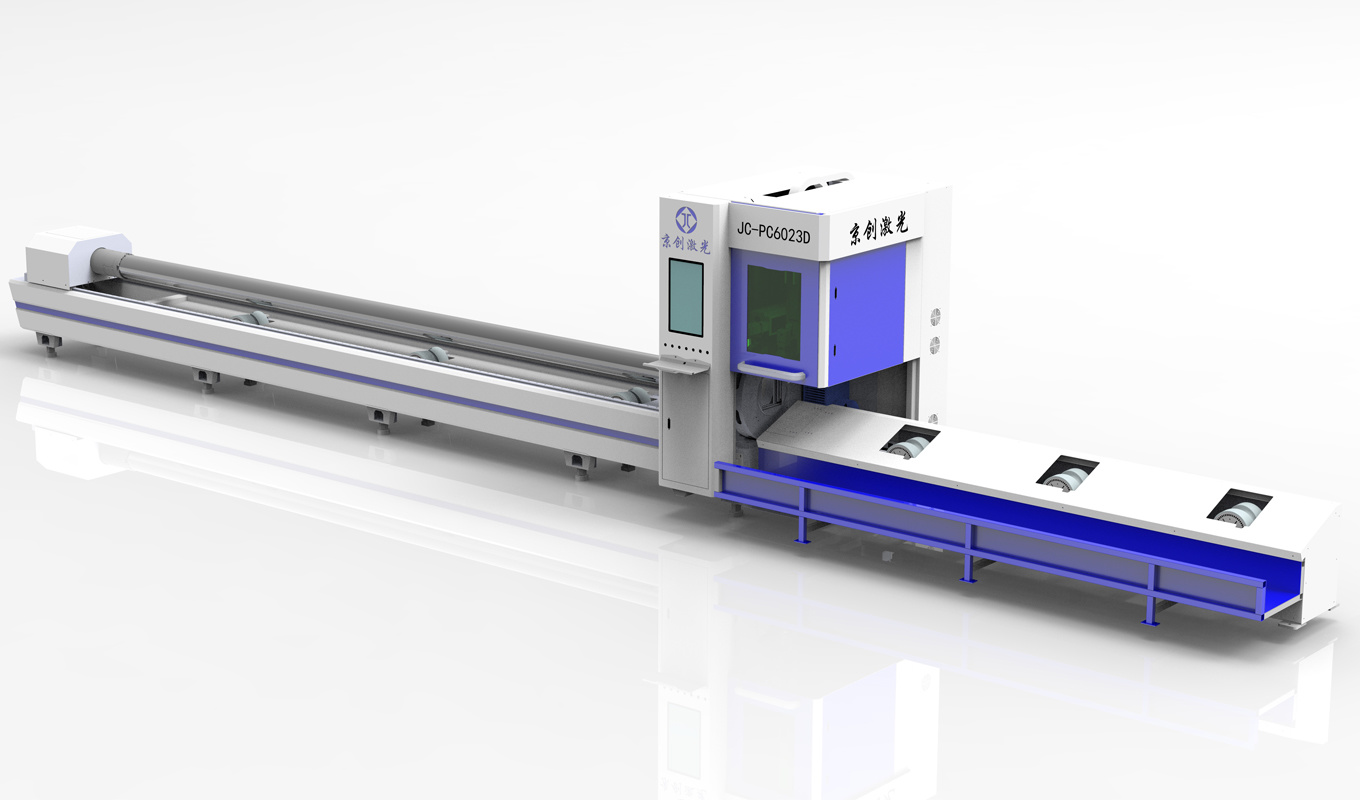
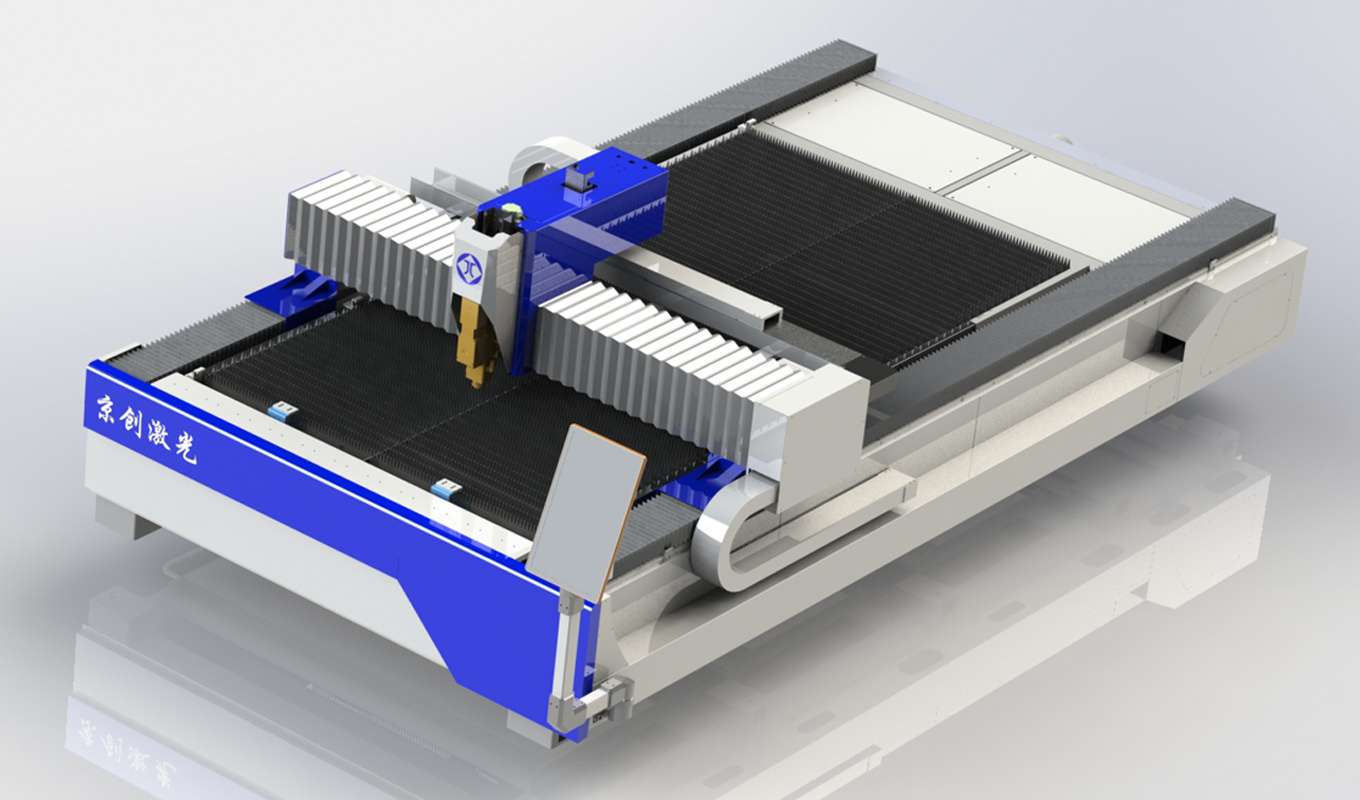
Tube Laser Cutting Machine
Cutting and Slotting any shape Iron Pipe
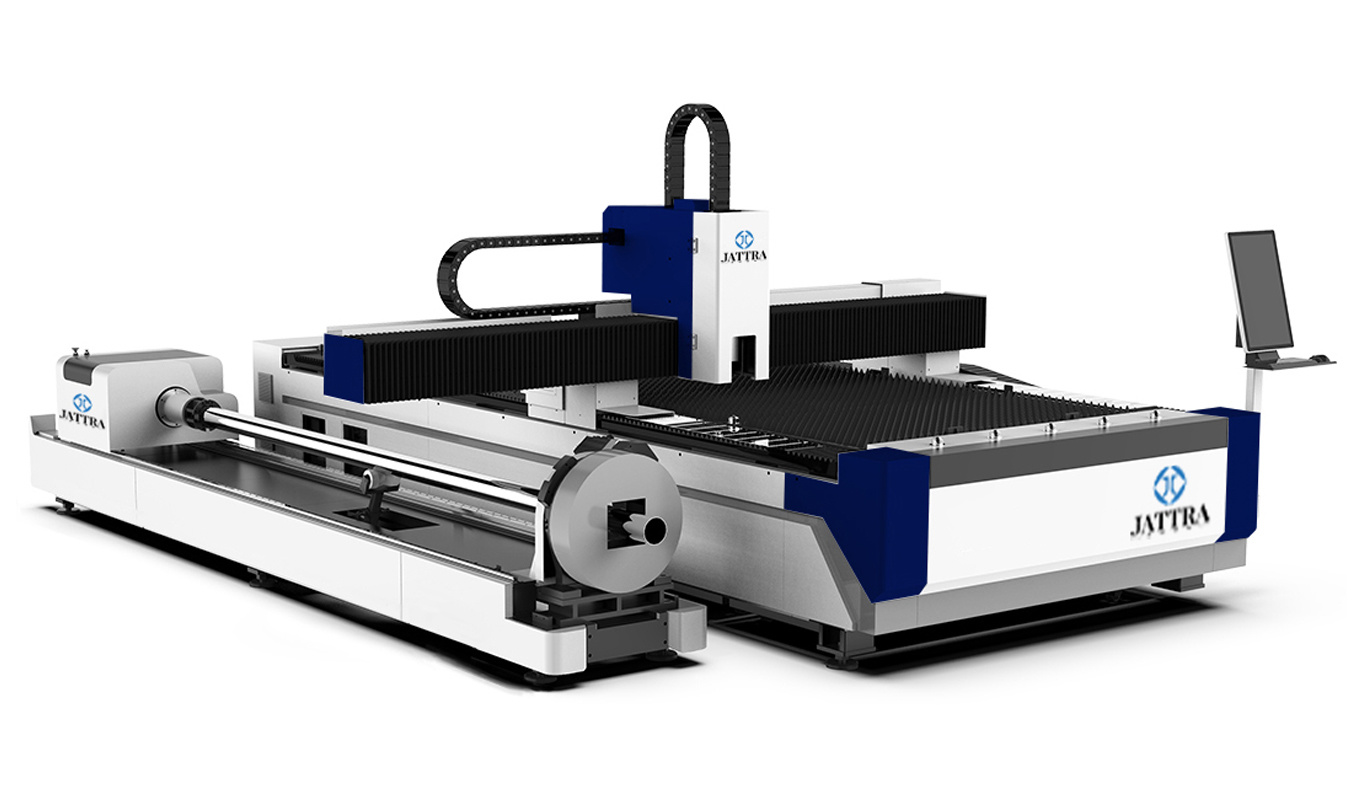
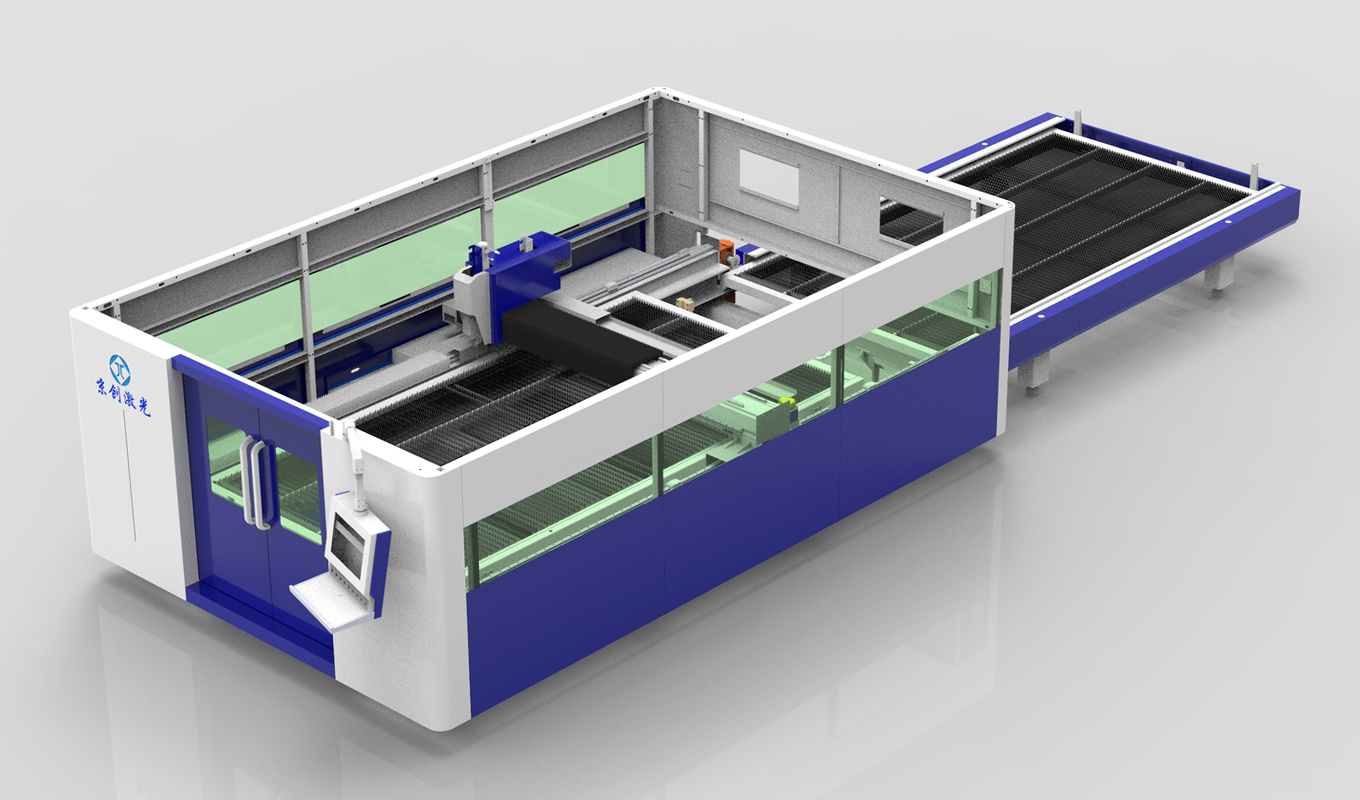
Tube and Sheet 2-in-1 laser cutter
One machine for two uses, European quality
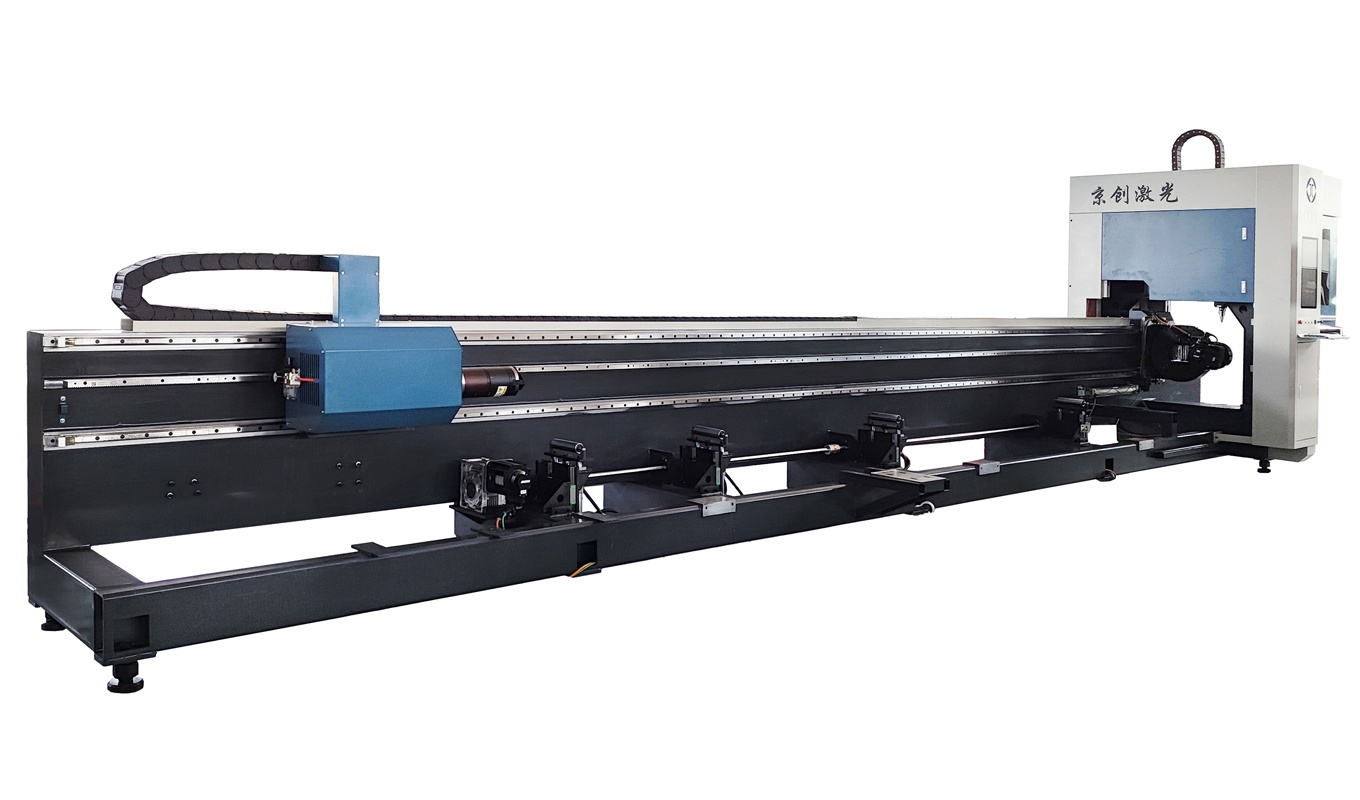
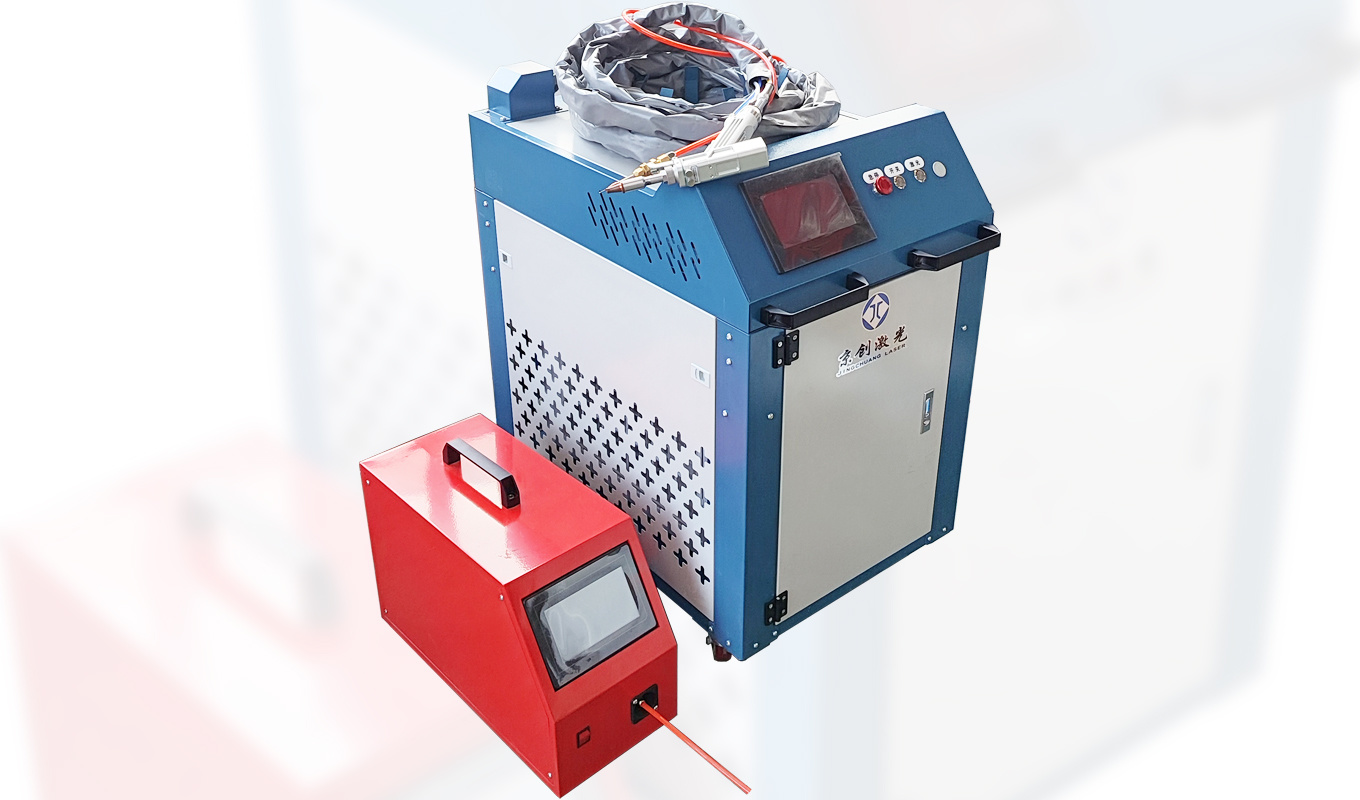
Side hanging Tube laser cutting machine
Side hanging Type tube laser cutter
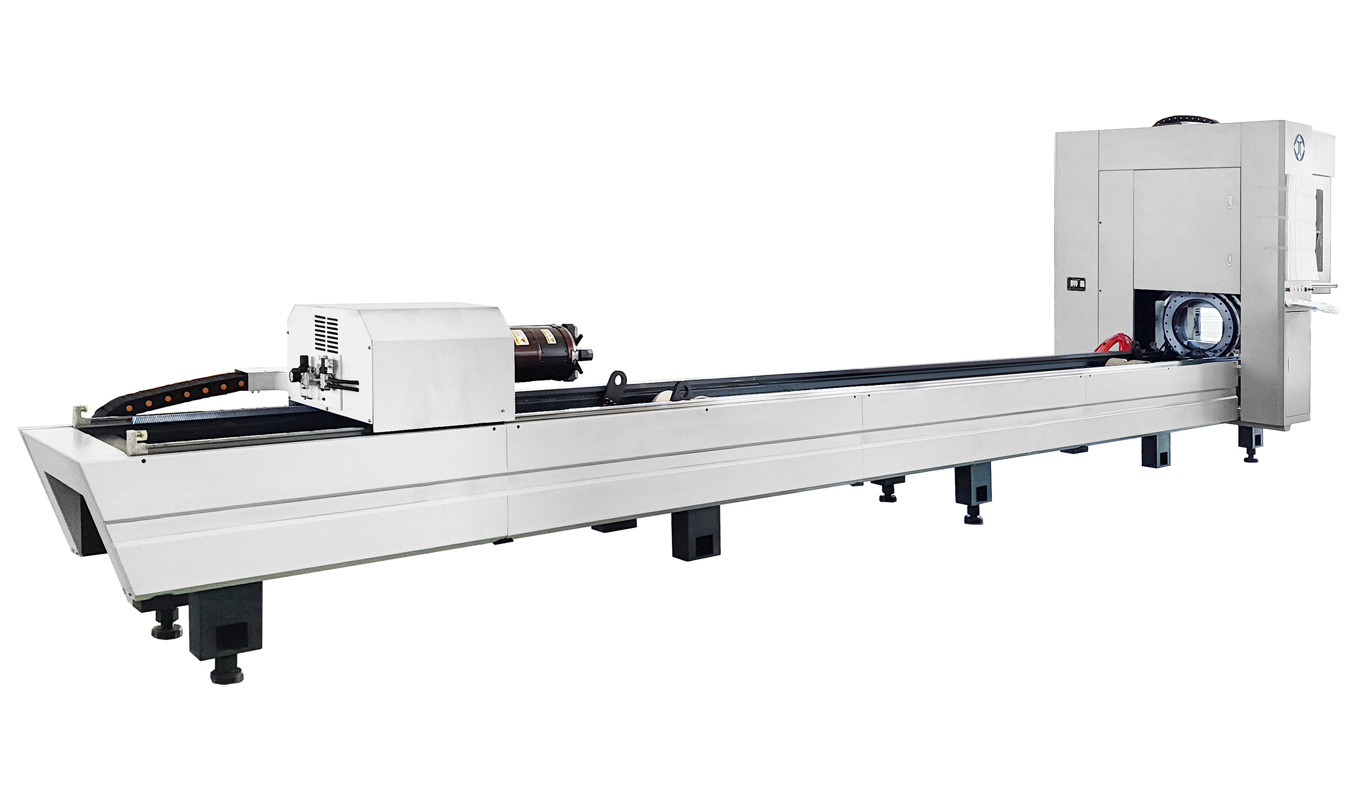
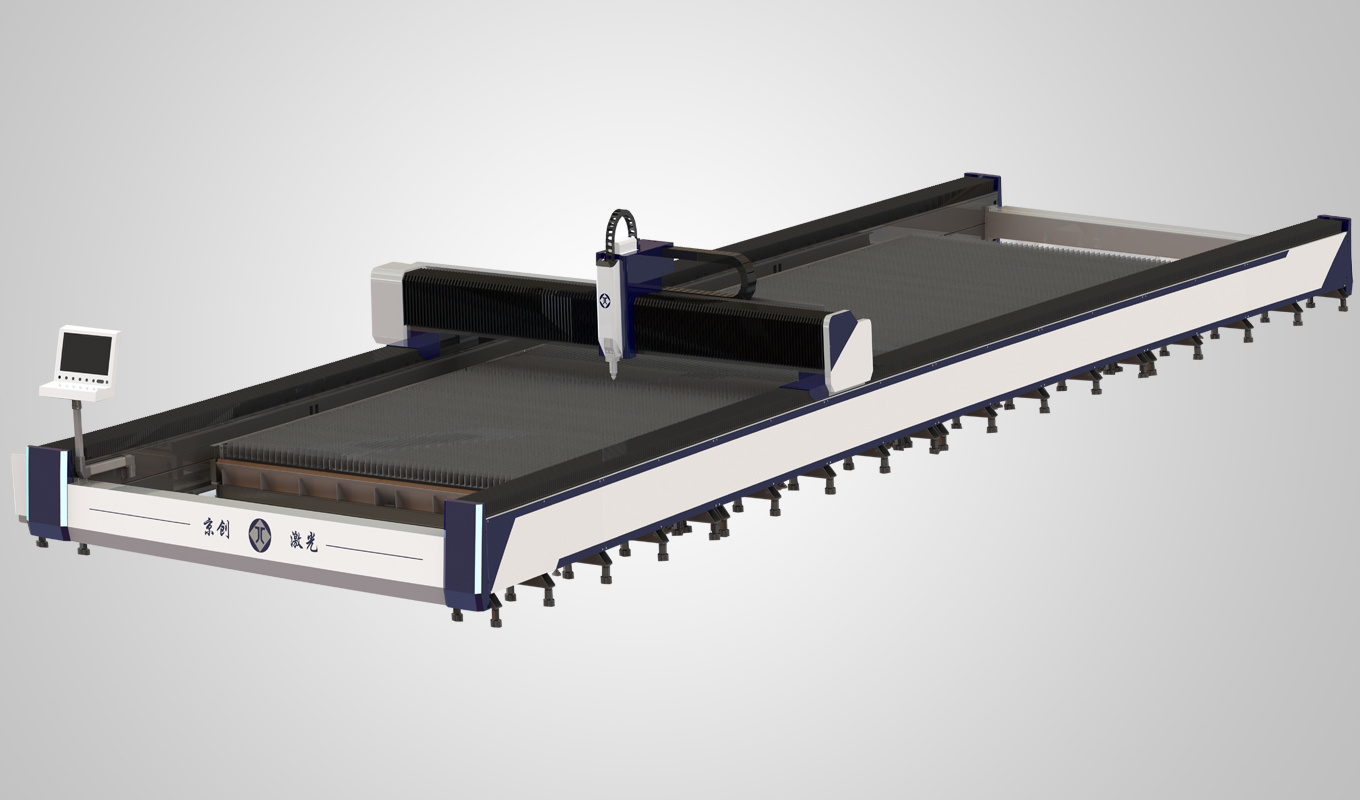
Horizontal Tube laser cutting machine
Horizontal type Tube laser cutting machine.
-
-
-


NEWS CENTER
JINGCHUANG LASER
06
2025
-
01
What Determines the Cutting Thickness of a Fiber Laser?
The ability of a fiber laser cutting machine to cut through materials of varying thickness is influenced by several critical factors. Understanding how these factors interact can help you optimize the performance of your laser cutting machine and achieve the desired results.
Laser Power
Laser power is a primary factor affecting the cutting thickness of a fiber laser. The power level of a fiber laser cutter determines how much energy is delivered to the material being cut. Higher power levels allow for cutting through thicker materials, as more energy is available to melt or vaporize the material along the cut line.
For example, a fiber laser with a power level of 500 watts may efficiently cut through thinner materials like mild steel up to 6mm thick. In contrast, a high-power laser cutting machine, such as one with 6,000 watts, can handle cutting thicknesses of carbon steel up to 25mm or more. This makes high-power fiber laser cutting machines ideal for applications requiring the processing of thicker materials, like in heavy industrial and metal fabrication settings.

Material Strength
Material strength is another critical factor in determining how effectively a fiber laser can cut. Different materials have varying levels of hardness and thermal conductivity, which affect how they respond to laser cutting. Materials such as aluminum plate and stainless steel have distinct properties that influence their maximum cutting thickness with a fiber laser.
Stronger materials, like stainless steel and carbon steels, require more energy to cut through due to their higher density and melting points. For instance, stainless steel’s strength can limit its maximum cutting thickness to about 20mm, even with a powerful fiber laser cutter. In contrast, materials with lower strength or thermal conductivity, such as aluminum, can be cut more efficiently, reaching maximum thicknesses of up to 30mm with very high-power lasers.
Cutting Speed
Cutting speed is a significant factor affecting the thickness that a fiber laser can handle. It determines how quickly the laser cutter moves across the material, influencing both the quality of the cut and the thickness that can be managed. Faster cutting speeds generally lead to cleaner edges and increased productivity, but they also require adjustments in laser power and focus to ensure that the material is cut properly.
For instance, when cutting materials like stainless steel or carbon steel, maintaining a high cutting speed helps achieve a smooth finish while preventing overheating and distortion. However, the speed must be carefully balanced with the laser machine’s power settings to avoid compromising the cut’s quality. In high-speed cutting scenarios, fiber lasers can adjust parameters like beam focus and power dynamically to maintain optimal performance across different thicknesses.
Laser Power
Laser power is a primary factor that determines the maximum thickness a fiber laser can cut through. The power level of a fiber laser cutter indicates how much energy is delivered to the material, affecting its ability to melt or vaporize the material along the cut line. Higher power levels enable cutting through thicker materials, making high-power laser cutting machines ideal for demanding applications.
Ideally, a 500-watt fiber laser might efficiently cut through mild steel up to 6mm thick, while a high-power laser with 6,000 watts can handle cutting thicknesses of carbon steel up to 25mm or more. This capability is essential for industries that require cutting thicker materials, such as heavy industrial and metal fabrication sectors.
Focus and Lens Quality
The focus and lens quality of a fiber laser play a crucial role in determining the cutting thickness and overall cutting performance. The focus of the laser beam must be precisely adjusted to ensure that the laser energy is concentrated at the correct point on the material. A well-focused laser beam can penetrate materials more effectively, allowing for cleaner and more accurate cuts.
The lens quality directly affects the ability of the laser to maintain a sharp focus. High-quality lenses enable the laser beam to remain concentrated and minimize the loss of energy, which is essential for cutting thicker materials. For example, when cutting stainless steel or aluminum plate, using lenses with superior optical clarity can significantly enhance the fiber laser cutting thickness, achieving precise cuts even at greater thicknesses.
Nozzle Diameter
The nozzle diameter of a fiber laser cutter is another critical factor influencing cutting thickness. The nozzle directs the laser beam and assists in removing molten material from the cutting area. The size of the nozzle affects both the laser beam’s focus and the flow of assist gases, which are crucial for maintaining cutting quality and speed.
A smaller nozzle diameter allows for a more concentrated laser beam, which is ideal for cutting thinner materials with high precision. However, when cutting thicker materials like alloy steel or copper plate, a larger nozzle diameter may be needed to facilitate better gas flow and material removal. This adjustment ensures that the cutting process remains efficient and that the laser cutter can handle increased thickness without compromising the quality of the cut.
Laser Wavelength and Beam Quality
The laser wavelength and beam quality significantly impact the cutting thickness that a fiber laser can achieve. The wavelength of a fiber laser affects how the laser energy interacts with the material being cut.
For example, fiber lasers typically operate at a wavelength of 1.06 microns, which is well-suited for cutting metals like stainless steel and carbon steel. This wavelength allows for efficient absorption of the laser energy by the metal, enabling precise cuts.
Beam quality, often measured by the beam parameter product (BPP), determines how well the laser beam can be focused. A high-quality laser beam can be focused to a smaller spot size, which increases the intensity of the laser energy and allows for cutting thicker materials. For instance, a high beam quality enables a fiber laser cutting machine to achieve maximum thickness when cutting materials like alloy steel or mild steel.
Material Properties
The properties of the material being cut play a crucial role in determining the cutting thickness achievable by a fiber laser. Key material properties include thermal conductivity, reflectivity, thickness, and density.
- Thermal Conductivity: Thermal conductivity affects how quickly heat is dissipated during the cutting process. Materials with high thermal conductivity, such as copper, can rapidly dissipate heat, making them more challenging to cut with a laser. To achieve quality cutting in such cases, fiber laser machines need to use higher power levels to compensate for the rapid heat dissipation.
- Reflectivity: Reflectivity determines how much of the laser energy is reflected off the surface of the material. Highly reflective materials, like aluminum, pose a challenge for laser cutting because a significant portion of the laser energy is not absorbed. To overcome this, fiber laser cutters may require specialized coatings on the laser optics or increased laser power to achieve the desired cutting thickness.
- Thickness and Density:The thickness and density of the material are also crucial factors. Thicker and denser materials require more laser power to penetrate effectively. For example, when cutting thick metal sheets, a fiber laser cutting machine with higher power levels is necessary to achieve the desired cutting capacity. Adjusting the laser cutting speed is also essential to ensure that the material is cut accurately without compromising the quality of the cut edge.

undefined

Contact Us
Tel/Wechat:
General Rong : +86 18519765888
E-mail:roger@jattragroup.com
Fax: 022-89898989
Address: No.182 Xiangyuan Road, Jingjin Science and Technology Valley Industrial Park, Wuqing District, Tianjin, China
2015-2025 Jingchuang (Tianjin) Laser Technology Co., Ltd © All Copyright
WeChat Sweep Code Us